Language

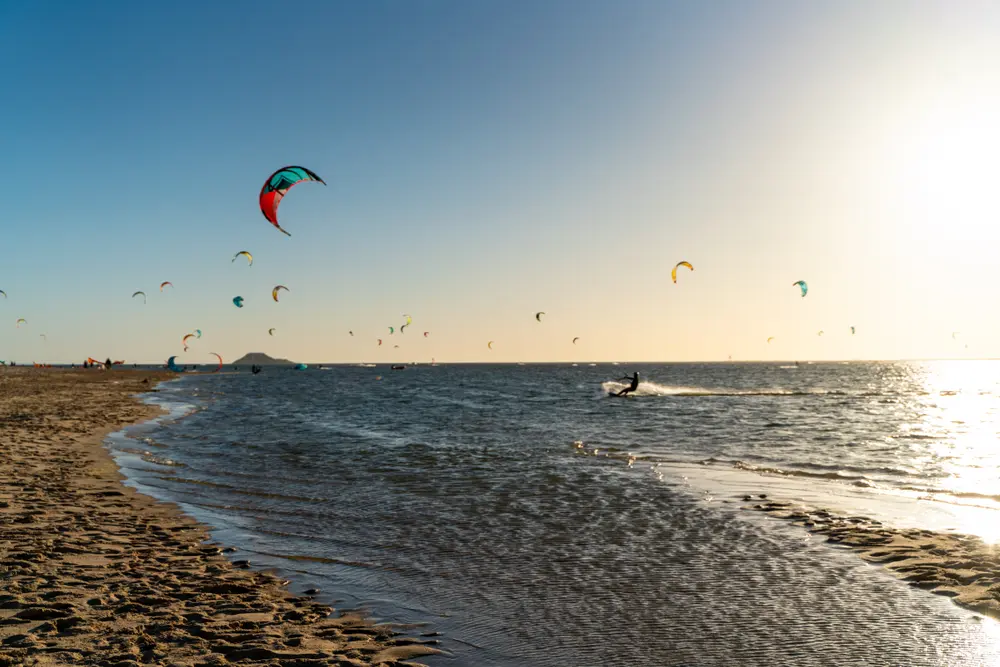
Dakhla has become one of the most reliable kitesurfing destinations in the world, and it's easy to see why! This tiny coastal town offers strong winds, loads of open water, and conditions that suit just about every level. From first-timers to seasoned pros, riders tend to leave Dakhla with stories they didn't expect to bring home.
It is one of the best kitesurfing destinations due to its reliable wind, flat-water lagoon, wave spots, warm climate, and conditions that make it an ideal place for both beginners and experienced riders.
In the next few sections, I'll walk you through what makes the conditions here stand out. I'll cover when to visit and what to expect. I'll let you know what a kitesurfing holiday to Dakhla actually feels like day to day. If you're looking for warm sunshine, steady winds, and long days on the water, Dakhla is hard to beat.
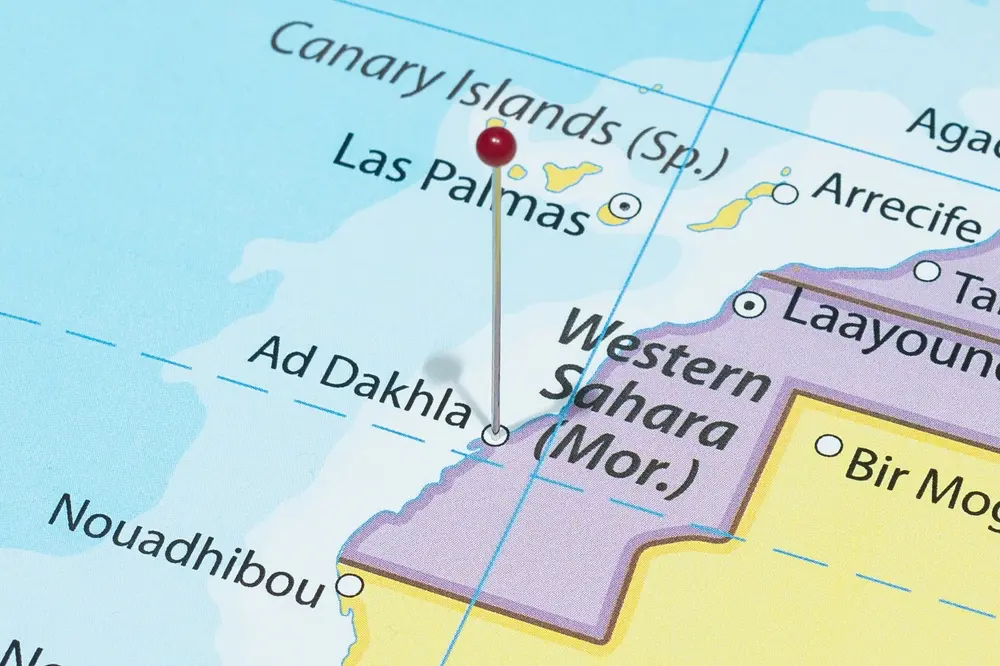
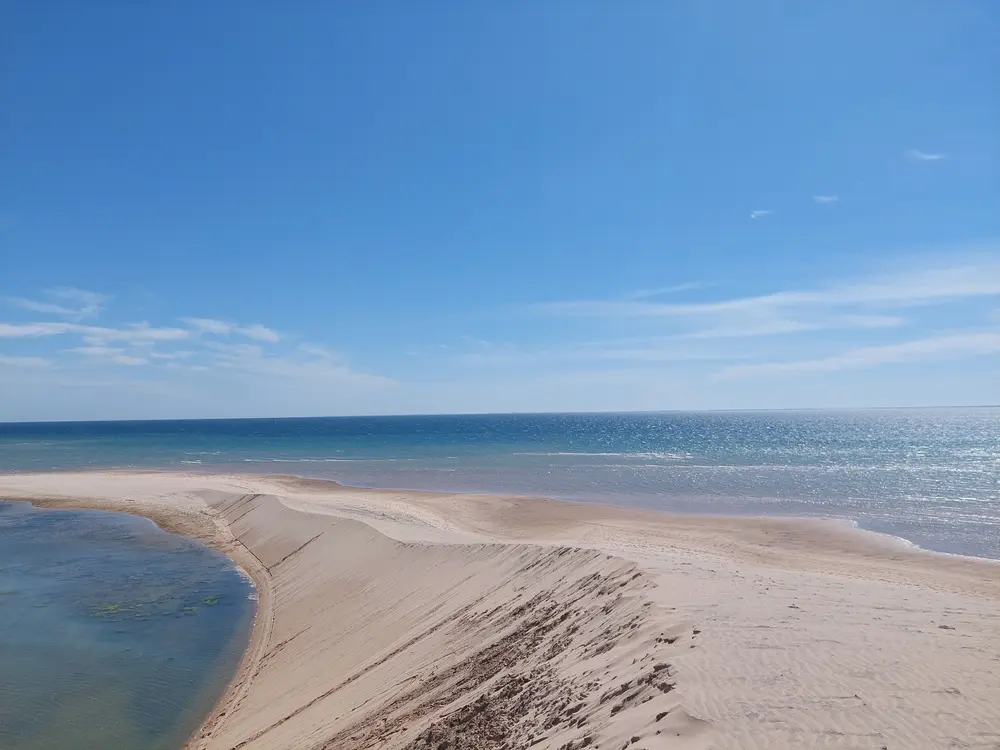
Dakhla sits at the southernmost corner of Morocco, squeezed between a narrow strip of land and the Atlantic Ocean. One side faces the open ocean with wave-based surf spots, while the other side opens onto the vast Dakhla Lagoon, which feels like a desert oasis in the middle of all this action.
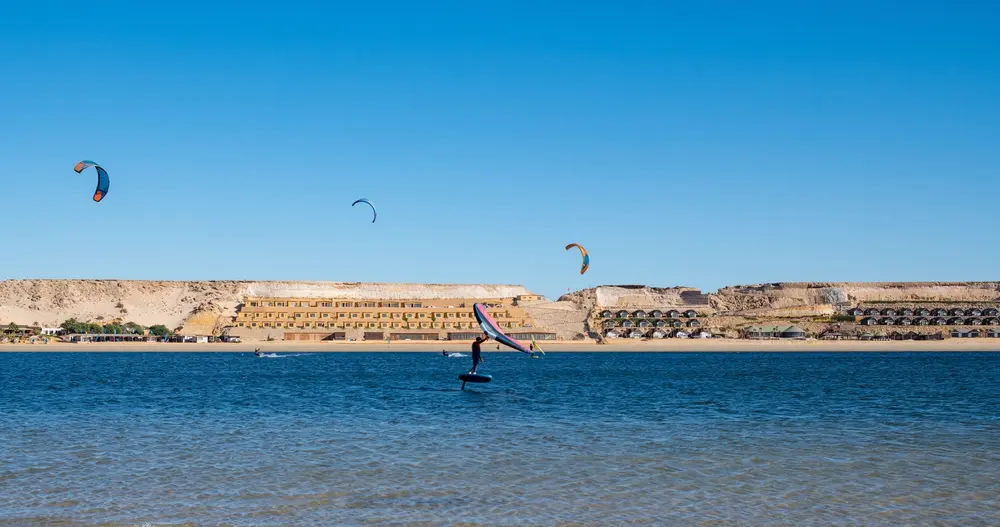
That geography is really what makes riding here special. The lagoon is completely sheltered from the waves, so you get super smooth water that's perfect for learning and progression. Step over to the ocean side, and you'll find swell and power for riders looking for waves and more advanced conditions.
Most days, you can switch between flat water and waves depending on how you're feeling or what the day throws at you.
The combination of ocean, lagoon, and desert creates a landscape you don't really see anywhere else, with nature and wildlife all within easy reach.
One of the best things about riding here is the sheer diversity of zones it offers. Most destinations make you pick a side; Dakhla lets you ride flat water and waves from the same launch area.
You can spend a whole week riding the calm waters of the Dakhla Lagoon, then head over to spots like Foum Labouir for ocean waves, or simply switch between the two depending on the wind and how you're feeling that day.
Here are the top spots most riders explore:
That list is the short version. What the water actually does at each one, plus the tide and the level it needs, is covered in our guide to where to kitesurf in Dakhla.
So why do people fly halfway around the world to ride here? It really comes down to the reliable wind and consistently ideal conditions for most of the year.
Dakhla is known for its dependable trade winds, which blow for more than 300 days a year. Most of the time, the wind comes from the north or northeast and gets a boost from the land heating up during the day. This builds into a strong, predictable pattern by mid-afternoon.
Most days bring side-on or side-shore winds, which are safer and more beginner-friendly. Mornings start lighter with things building through the afternoon. The wind tends to hold steady for hours. You'll get the occasional gusty patch along the coast, but nothing wild.
Dakhla's wind is strong year-round, but some periods stand out:
Winter months like January can still offer solid sessions, though winds are generally lighter.
The lagoon stays shallow, especially at low tide. This makes it perfect for beginners. At high tide, more space opens up for experienced riders, while the ocean side becomes choppier and more powerful.
All of that, paired with the desert scenery and spots like the White Dune! It's what makes the conditions here feel so different from anywhere else.
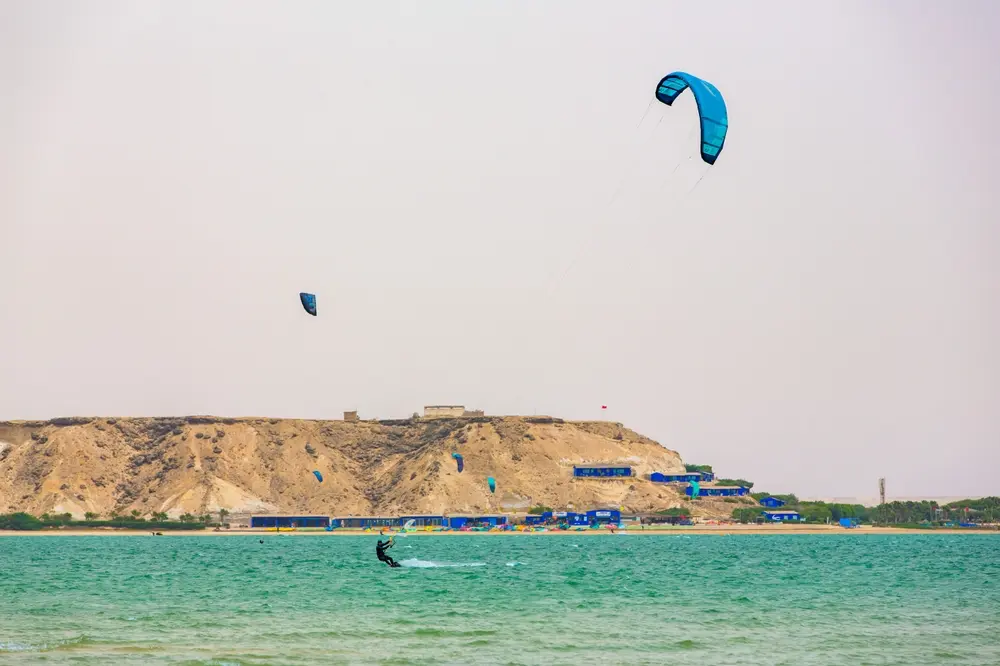
The best time to go kitesurfing in Dakhla is from March to October, with June to September offering the strongest and most consistent wind. Shoulder months like March, April, May, and October are also great if you want fewer crowds and a more relaxed atmosphere.
Dakhla has wind all year, but conditions vary depending on the season and the kind of experience you're after.
If you're chasing maximum wind and high-energy sessions, go in summer. For a quieter trip with a more relaxed vibe, the shoulder months are your friend.
Yes, Dakhla is one of the best places in the world for beginners to learn kitesurfing thanks to its flat, shallow water lagoon, reliable wind, and wide range of schools offering structured lessons, rescue support, and beginner-friendly riding areas.
Honestly, it's the kind of place where you can actually focus on what you're doing. The calm conditions make it so much easier to focus on balance, kite control, and building confidence on the board without having to deal with waves or difficult water states.
Many schools operate directly on the lagoon, with beach assistance, rescue support, and clearly defined learning zones that keep the whole experience feeling safe and well-organised.
It's also a genuinely family-friendly destination. Many kite schools offer supervised kids' lessons, beginner zones, and relaxed areas for families to spend time by the water. Most camps also include extras like pools, group activities, and on-site childcare in some cases.
Everyone starts somewhere, and kitesurfing has a real learning curve. A few patterns come up again and again.
Rushing progression is probably the biggest one. Skipping the basics like kite control and body dragging might feel faster at first, but it usually slows things down later.
Another common one is flying the kite too aggressively. Oversteering or pulling too hard on the bar can lead to crashes or getting dragged unexpectedly.
A lot of beginners also forget to properly check the conditions. Wind strength, tides, and other riders in the area all play a role in how safe and enjoyable your session will be.
And then there's skipping lessons. It might seem quicker to learn on your own, but having an instructor makes a huge difference for both safety and speed of progress.
Most beginners start with some beach work before moving into the water. From there, it's all about building up to riding consistently, staying upwind, and learning controlled transitions as you progress.
Intermediate riders focus on refining technique and gaining more control, while advanced riders can push into freestyle, bigger jumps, and more technical riding.
Schools in Dakhla offer private lessons and group lessons led by professional instructors, depending on your learning style. The instruction is usually high quality, with experienced and passionate coaches, and many lessons include helmet radios so you can get real-time feedback while you're riding.
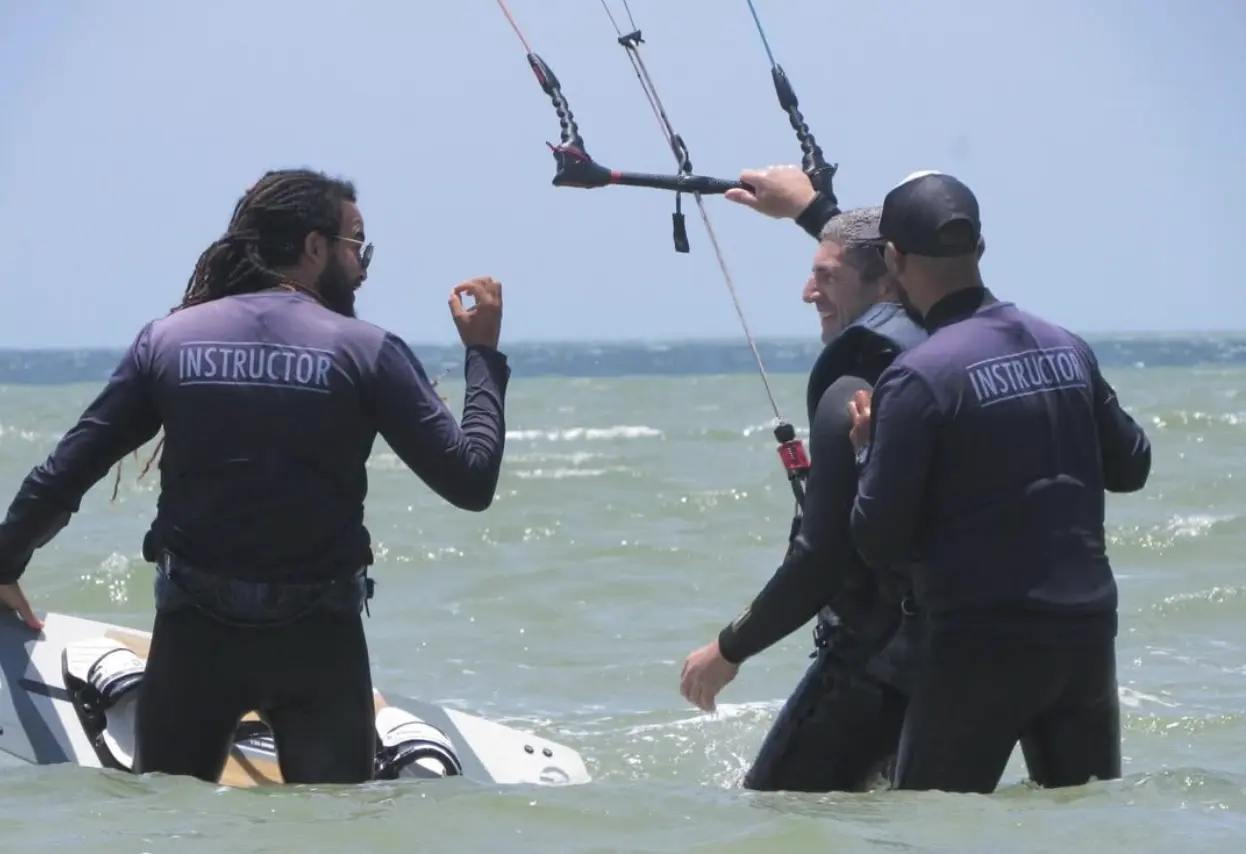
Honestly, one of the best things about learning here is how quickly people progress. The consistent wind and forgiving conditions make it easier to build confidence and improve faster than in many other locations.
Lesson prices vary between schools, but expect roughly €115 to €150 for a 2-hour private lesson, and €75 to €100 per person for semi-private. Gear is almost always included; transport is less consistent, so check if you're not staying on the lagoon.
Private lessons are often the best option for kids under 15 or anyone who wants more focused coaching.
Many riders find that booking consecutive days rather than spreading lessons out builds muscle memory faster, so the steady wind here makes back-to-back sessions easy to plan.
Thanks to the consistent wind in Dakhla, kite sizes are fairly predictable compared to many other destinations. Most riders stick to mid-range kites, adjusting size based on their body weight and the strength of the wind on the day.
In the lagoon, twin-tip boards are the go-to choice, especially for freeride and progression. On the ocean side, surfboards become more popular for those looking to ride waves.
There are also specific areas, like the speed spot, where riders focus on fast, controlled runs in ultra-flat water. And if you're up for something different, Dakhla is well known for downwinders, with some routes letting you ride for miles along the coastline.
You can either bring your own gear or rent locally. Most camps and schools offer good-quality equipment, which makes traveling a lot easier if you don't want to deal with airline baggage.
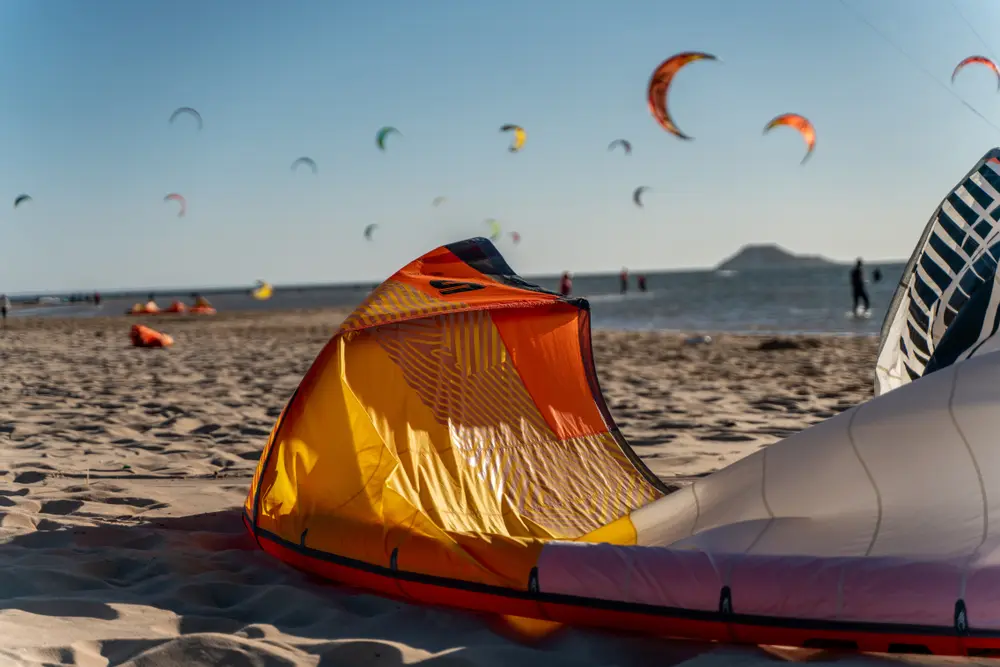
For strong wind, riders should choose a smaller kite size. In Dakhla, when wind reaches 25 to 35 knots, most riders use 6m to 8m kites depending on their weight, skill level, and the conditions on the day.
Picking the right kite size can make or break your session, especially in a place like Dakhla where the wind can pick up fast.
The basic rule: stronger wind, smaller kite.
Heavier riders can hold more power, while lighter riders typically need to size down sooner.
If you're unsure, a couple of simple things help:
When in doubt, lean smaller. You'll have more control and a much safer, more enjoyable session.
Having the right gear makes a big difference, especially when you're riding in strong and consistent wind like in Dakhla. Here are the essential items you will need:
Beyond the essentials, a few extras will make your life easier:
If you don't want to travel with your own gear, no problem. Most camps and schools offer high-quality rental equipment, so you can pack lighter and still get great sessions in.
For a kitesurfing trip to Dakhla, pack travel documents, sun protection, light clothing, extra layers for the evening, and either your own kitesurf gear or a plan to rent equipment locally.
Once the basics are covered, the rest comes down to making sure you're comfortable both on and off the water. Warm, windy days call for lightweight clothing, and cooler evenings call for a few extra layers.
It's also worth being mindful of the local environment. Using reef-safe sunscreen helps protect marine life and water quality, and sticking to designated paths prevents damage to the dunes and surrounding vegetation.
Simple things like disposing of your waste properly and respecting local guidelines go a long way in keeping Dakhla clean and preserving its natural beauty.
One easy thing to forget: Morocco runs on 220V with European-style two-pin plugs (Type C/E), so pack the right adapter for charging cameras and devices.
Most people fly into Dakhla Airport, which is small and easy to navigate. If you're coming from outside the region, you'll usually connect through Casablanca, with Royal Air Maroc being the most common option.
Once you land, getting to your accommodation or kite spot is straightforward. Many camps and hotels offer airport pickup, and taxis are also readily available.
Many nationalities (including the UK, EU, and US) can enter Morocco visa-free for up to 90 days, but it's worth confirming for your passport before you book.
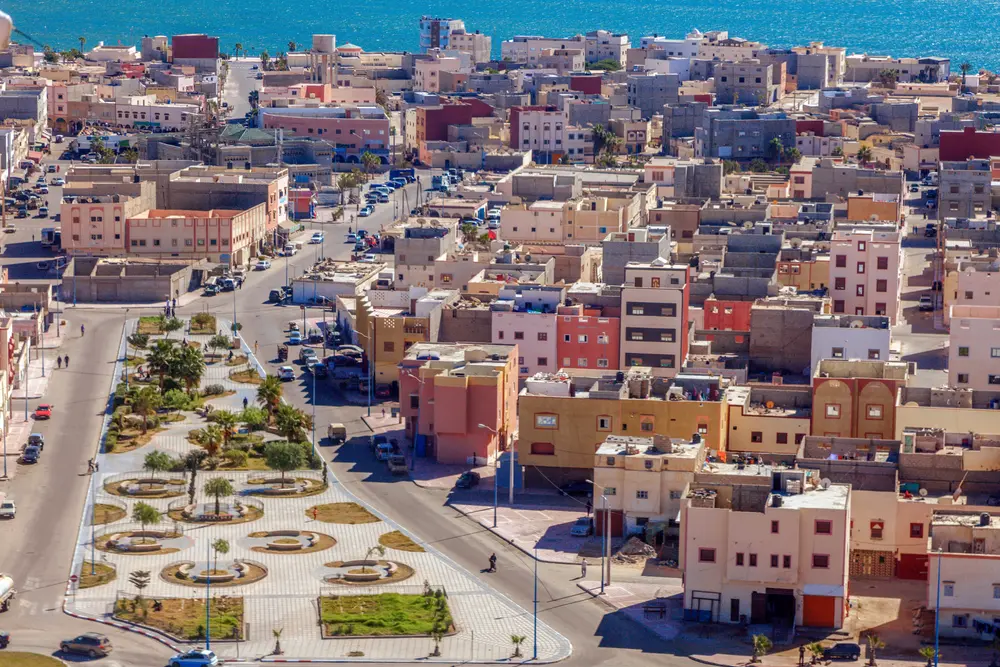
Kitesurfers in Dakhla usually choose between lagoon-side camps and city hotels, depending on the kind of experience they're after.
Lagoon camps, like PK25 or Dakhla Attitude, are right on the water and built around kitesurfing. They offer direct access to the lagoon, a social atmosphere, and often include extras like equipment storage, lessons, and all-inclusive packages.
City hotels such as Dakhla Club Hotel provide more comfort and amenities, along with access to restaurants and a quieter, more relaxed environment away from the kite spots in Dakhla City.
It really comes down to your priorities. If you want to maximise time on the water and stay close to the action, a lagoon camp is the obvious choice. If you prefer more comfort, space, and flexibility, a city hotel might suit you better.
Not everyone comes to Dakhla just for kitesurfing, and even if you do, you'll probably want a break from the wind at some point.
Good news! There's plenty to do, whether you're a non-kiter or just taking a rest day.
Most lagoon camps are surrounded by nature and set up for relaxing as much as riding, so you'll usually find things like swimming pools, yoga sessions, spa treatments, and chill-out areas right by the water. It's an easy place to switch off and take things slow.
If you're in the mood for something more active, there are loads of options:
You can also explore local markets, enjoy fresh seafood, or just spend the day by the beach soaking up the scenery.
Riding or not, Dakhla has a pretty unique mix of adventure and downtime that makes it more than just a kitesurfing destination.
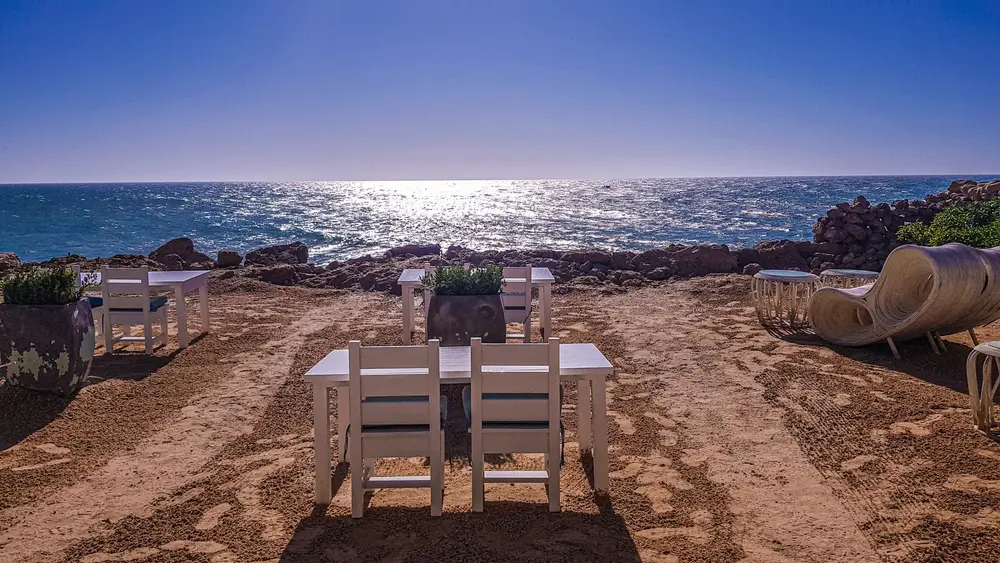
Yes, Dakhla is generally considered safe for tourists. It is a small, tourism-focused destination with secure lagoon camps and a relaxed atmosphere, although visitors should still use common sense, respect local customs, and take normal travel precautions.
Most visitors find Dakhla to be a relaxed and easy place to travel, especially around the lagoon camps where everything is set up for kitesurfers.
Like anywhere, it's still important to stay aware of your surroundings. Keep an eye on your belongings, avoid unfamiliar areas at night, and respect local customs when you're in town.
From a kitesurfing standpoint, safety mainly comes down to the conditions. The wind can be strong and tides can change quickly, so it's always worth checking before heading out and riding within your limits.
Healthcare facilities in Dakhla are fairly basic, so having travel insurance that covers watersports and emergency situations is strongly recommended.
The conditions are generally safe in Dakhla, but strong wind, tides, and busy launch areas mean it's important to stay aware and ride responsibly.
Always keep an eye on launch zones, follow right-of-way rules, and avoid crowded areas, especially near camps and popular entry points.
Tides can vary significantly (up to around 2.5 metres), and channels can form in the lagoon, so it's important to stay aware of water depth and currents. Extra caution is also needed when doing downwinders.
Many camps and schools provide rescue support during main riding hours (typically around 10am-7pm), but you should always ride within your limits and never rely on rescue as your backup plan.
Even if you're experienced, it's a good idea to check daily wind conditions and tides with your camp or instructors before heading out.
The lagoon can have sharp shells and razor clams, so wearing booties is strongly recommended.
The sun can also be intense, especially during long sessions, so use high SPF sunscreen, reapply regularly, and stay hydrated throughout the day.
Stick to designated launch and riding areas, and follow any local guidance or signage, particularly in shared zones.
Some parts of the lagoon and surrounding dunes are environmentally sensitive, so it's important to respect restricted areas, avoid damaging vegetation, and leave no trace.
When you're off the beach or in town, dress modestly and be respectful of local customs. Simple gestures like polite greetings or using basic Arabic or French phrases go a long way.
Healthcare facilities in Dakhla are fairly basic, so travel insurance with watersports coverage (including evacuation) is strongly recommended.
For extra safety, it's always a good idea to share your riding plan with someone on shore and consider using a local SIM card in case of emergencies.
Dakhla really is one of those places that lives up to the hype. With consistent wind, a mix of flat water and waves, and conditions that suit every level, it's easy to see why so many riders keep coming back.
Whether you want to learn, progress, or just enjoy a few days of solid sessions in the sun, Dakhla delivers a kitesurfing experience that's hard to beat.
If you're planning your next trip, this is one destination that definitely deserves a spot on your list.
Have questions? Get in touch with us and we would love to be of assistance.