Language

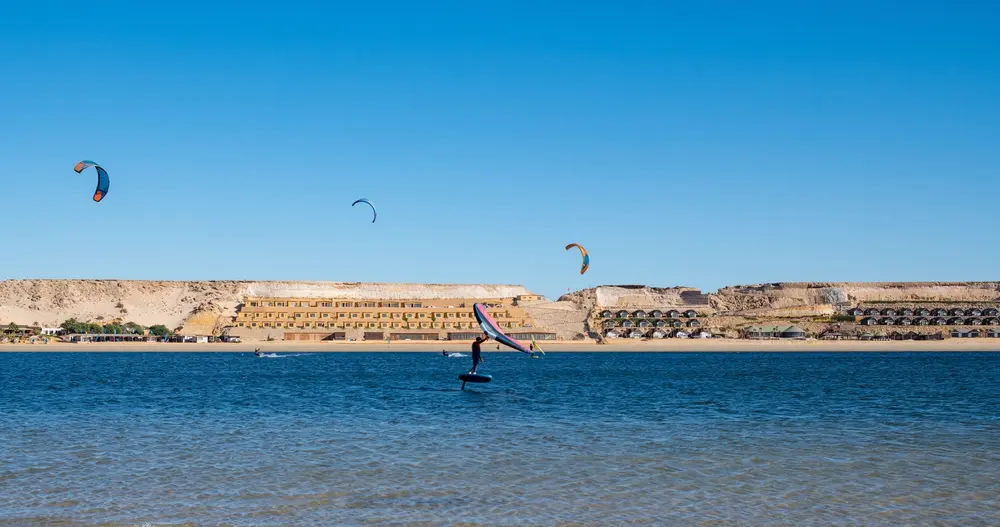
Dakhla, a remote wind-blown peninsula in Morocco's Western Sahara, has become a favourite kitesurfing destination for riders who come back year after year. With a vast shallow lagoon, strong and steady winds, and a laid-back desert vibe, it attracts riders of all skill levels year-round. Whether you are chasing strong wind, calm flat water, low-crowd seasons, or budget travel, knowing when to go makes all the difference.
The first thing I noticed wasn't just how windy it was. It was how easy it was to settle into the rhythm of the place. By the second day, I found myself planning everything around the afternoon wind. No need to constantly check the forecast.
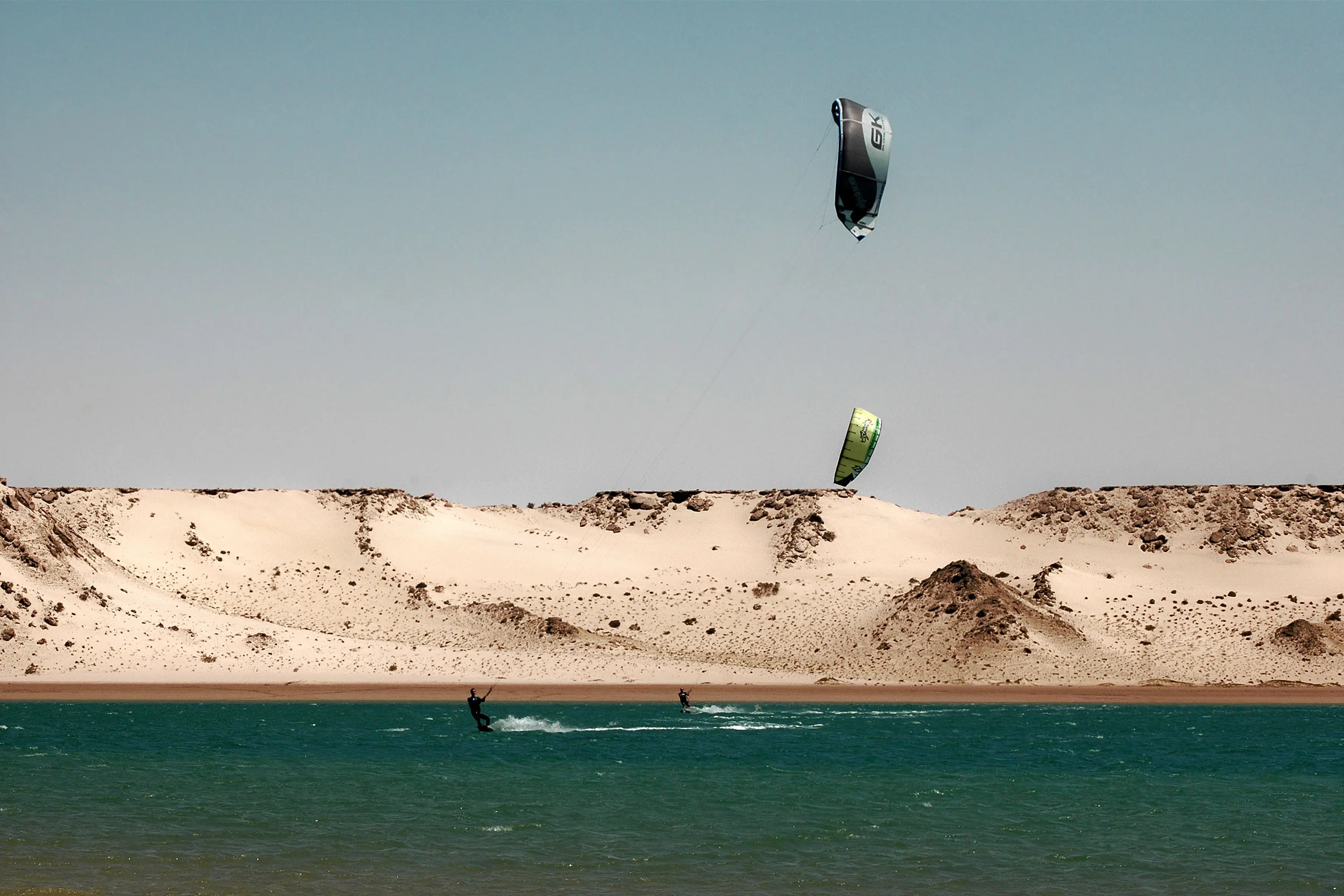
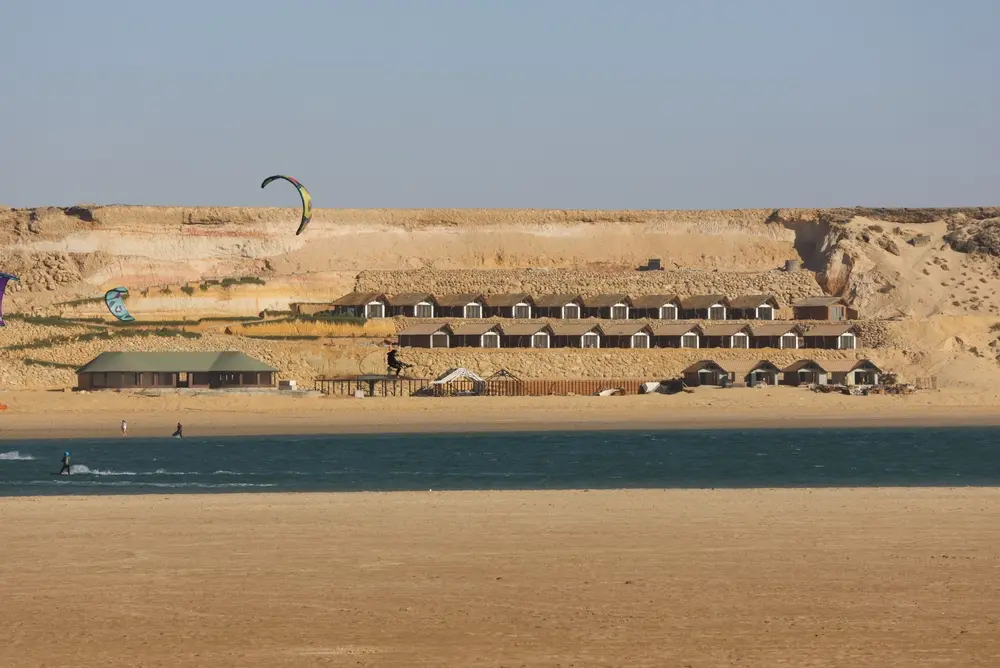
Dakhla's natural geography, with its sand dunes, desert plateau, and a 45-kilometre lagoon facing the Atlantic Ocean, creates a near-perfect wind corridor. The area enjoys over 300 windy days per year, with consistent winds building reliably in the afternoons. Riders can find a wide range of spots for kitesurfing in Dakhla, from flat water ideal for learning and freestyle to ocean waves for advanced wave riding. If you enjoy mixing flat-water sessions with surf spots, Dakhla gives you both without requiring a long journey between locations.
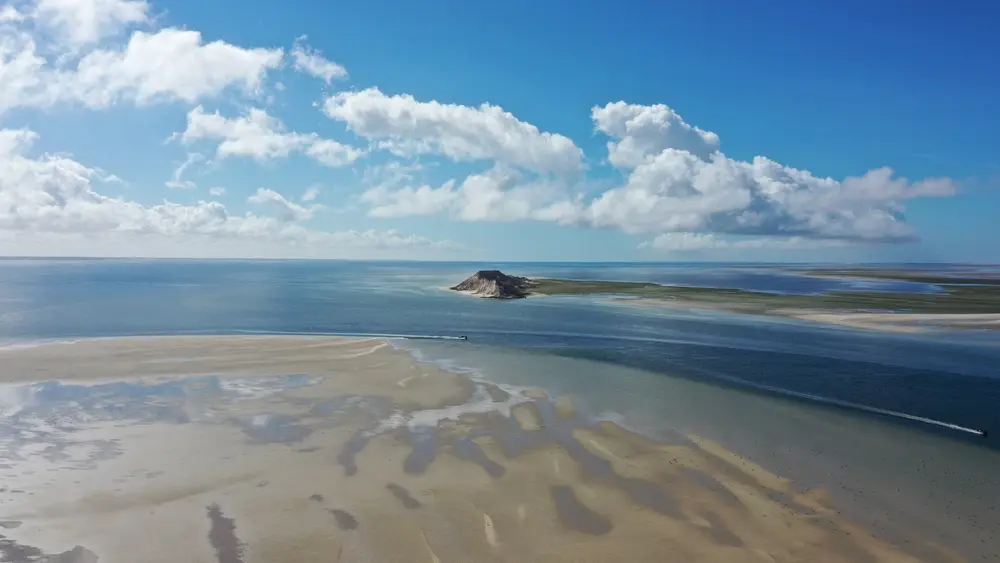
Flat-water spots like Dakhla Lagoon are gentle and safe for beginners, while areas like the Speed Spot offer shallow, ultra-flat conditions, especially at low tide, which is perfect for tricks and progression. Ocean breaks like Oum Lbouer add variety for surfers and advanced kite surfers.
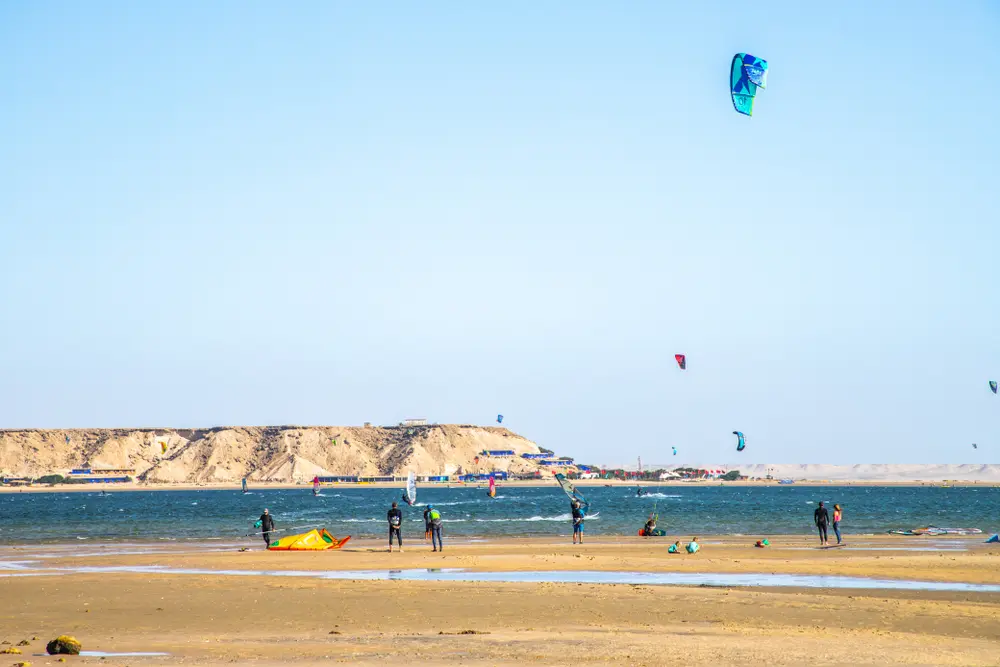
I watched complete beginners sharing the same general area as experienced riders working on freestyle tricks, and everyone still had plenty of room. These wave spots are especially appealing when you're looking for great waves after spending time in the lagoon.
Dakhla's wind conditions are driven largely by trade winds and daytime heating from the Sahara. Winds typically pick up mid-morning and strengthen through the afternoon, often blowing side shore at 20-35 knots during peak season. This makes daily sessions predictable and rewarding for riders who plan around the thermal wind cycle.
It took me a day or two to stop checking the forecast every hour. Once I realised how consistently the afternoon wind arrived, I relaxed and started enjoying myself.
Because of its mild desert climate, Dakhla sees very low rainfall and abundant sunshine year-round, meaning rain is rarely a concern for kiters.
This overview helps you quickly identify the perfect time to visit based on wind, crowds, and budget.
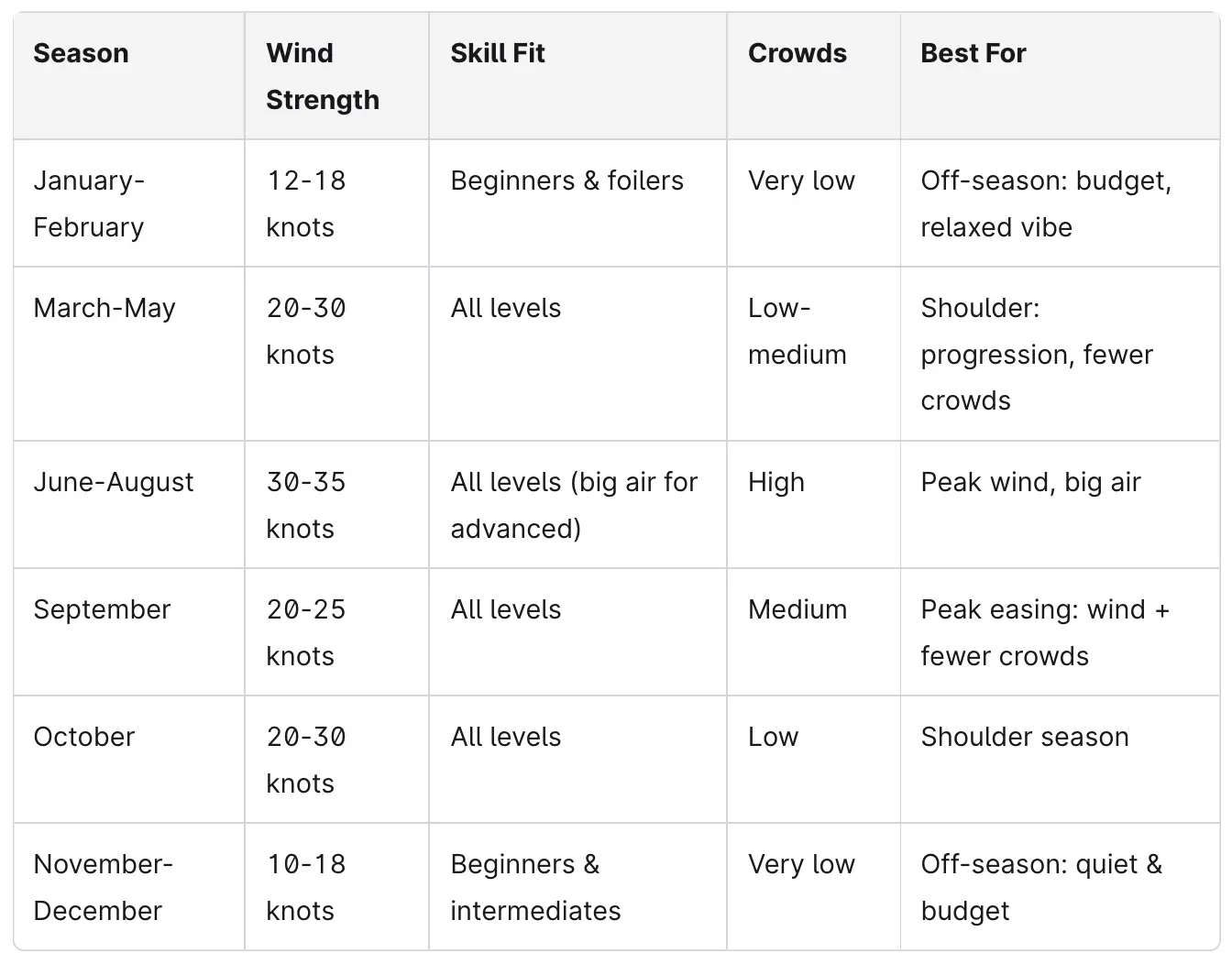
Each month offers different wind strength, temperatures, and crowd levels. This month-by-month overview breaks down what to expect throughout the year, helping you choose the best time to visit based on your kitesurfing level and travel plans.
Winds tend to be generally lighter but still kiteable with larger gear. Ideal for beginners building confidence or travellers seeking a quiet adventure. Costs for flights and accommodation are generally the lowest. I actually enjoy having more room on the water.
Similar to January, offering mellow winds and very few visitors. A great time to learn or practise foiling with minimal crowds. The quieter atmosphere also makes kitesurfing lessons feel less rushed.
Wind begins to strengthen and become more reliable. Great for progression and early-season travel before spots fill up. This offers a balance between dependable wind and quieter beaches.
Winds increase into consistent 20-25 knot ranges, offering ideal conditions. Comfortable temperatures and dependable winds make April an easy month to recommend for most riders. For many visitors, these are great conditions for building confidence without feeling overpowered.
May is the bridge into peak season. Wind is building and becoming more consistent, perfect for all levels and lots of riding hours. The camps start to get noticeably livelier, with a fun energy without feeling overwhelming.
These months deliver some of the strongest wind of the year. Expect 30-35 knots on the strongest days and almost daily kiting opportunities. These are among the most popular months, with lively camps and social scenes. If you're chasing strong wind above everything else, this is when Dakhla really earns its reputation!
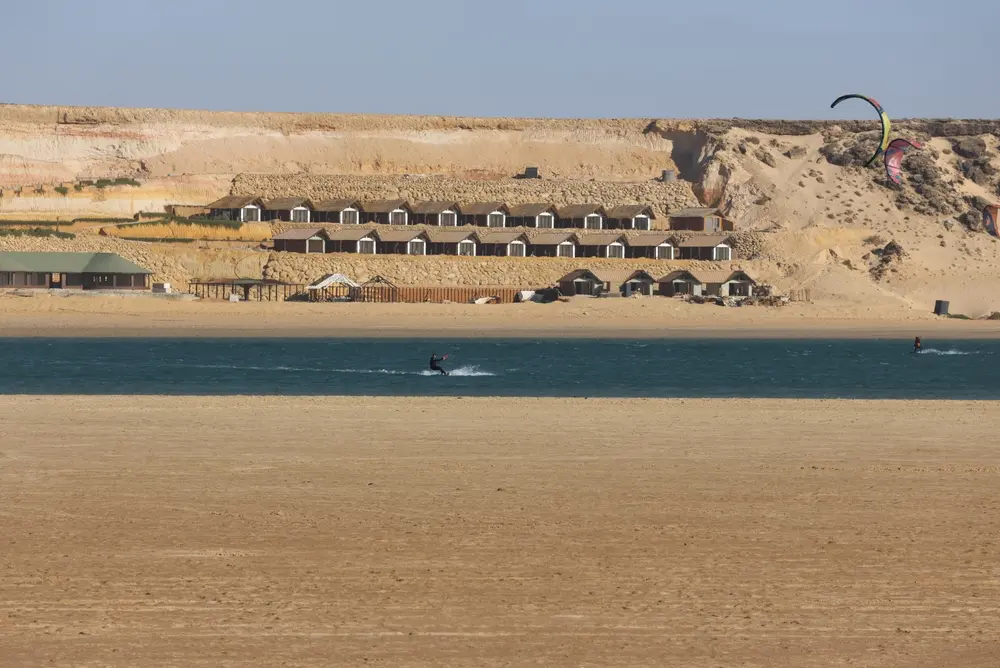
Winds remain strong, though mid-month can see slight easing. Still a great time for both performance riders and learners with coaching. The wind consistency is better than many destinations manage during their peak seasons.
The wind eases but remains a reliable wind option for most riders. This month often offers a balance of wind strength, water temperature, and smaller crowds. This is probably my favourite time to visit. The lagoon feels more relaxed.
Often cited by riders as one of their favourite months, with steady wind, "shoulder season" numbers, and calmer lines. Good choice for freeriders and intermediates. The beaches are a little quieter, and sessions often feel less hurried than they do in midsummer. It's also when the wave window opens on the Atlantic side, which is when Foum Labouir and La Sarga are worth planning around.
These months see lighter winds but still plenty of kiteable days. Water is warm, with cooler evenings bringing a more relaxed atmosphere. Great for relaxed travel, cultural exploration, and longer stays.
Beginners will find the most favourable conditions when wind is consistent but not overpowering, typically March through May, and again in October, with September also working well as the peak winds start to ease. The flat, shallow lagoon is perfect for lesson settings and confidence building.
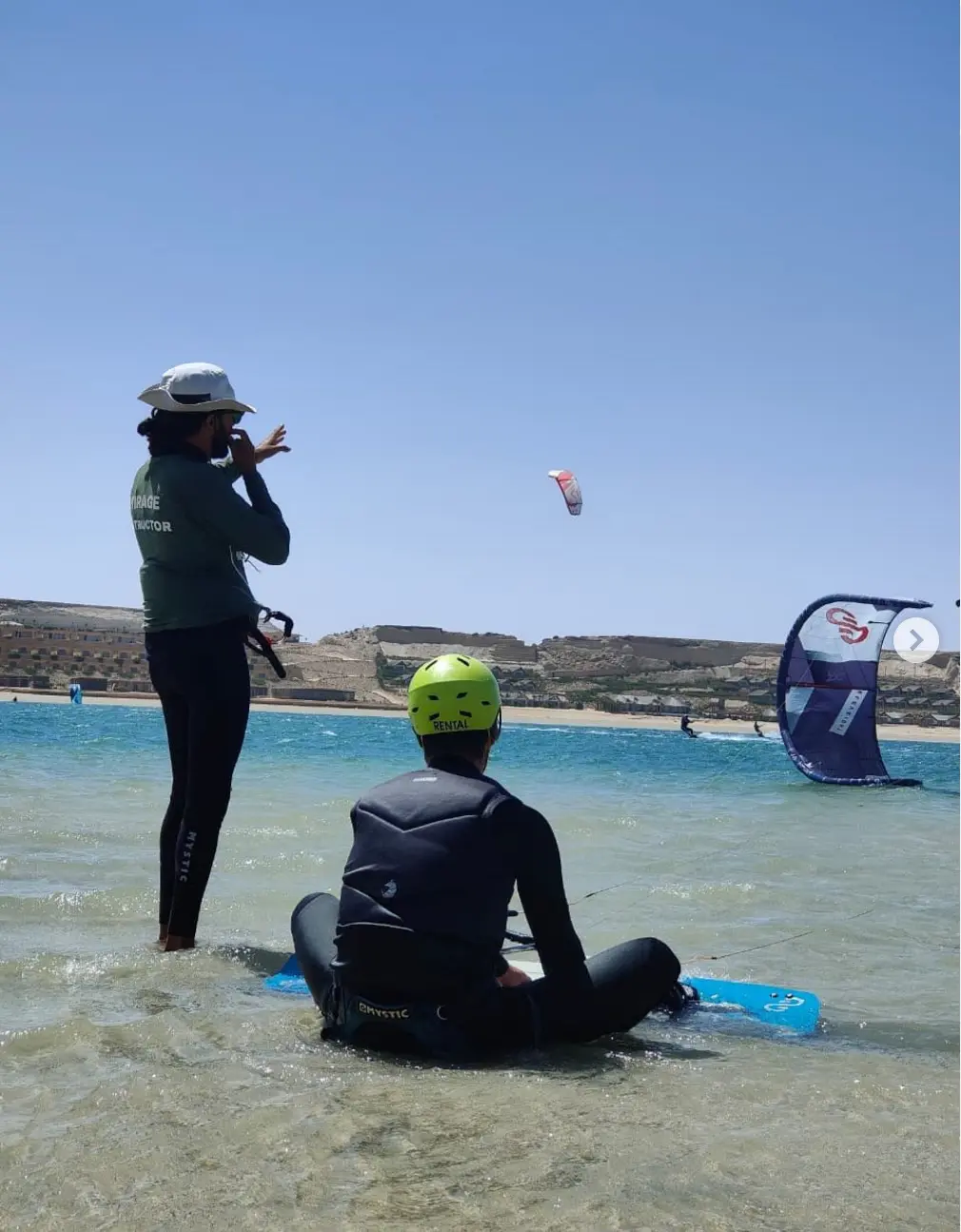
For intermediate and advanced riders, if you are focused on wind strength, progression, tricks, or big air, June through September (the peak months) offers the most consistent strong wind and exciting sessions.
Even after the peak months, September still provides excellent wind with a slightly more relaxed scene. If your goal is maximising time on the water, this period usually delivers excellent conditions for progression.
Peak wind season (June-September) marks high season, attracting more kiters and trips, so expect fuller beaches and a busier atmosphere around the lagoon and kite camps. Prices for camps and accommodation reflect this. Shoulder months like March, April, May, and October typically offer lower rates and more space. The winter months (November-February) fall into the off season, offering fewer crowds and lower prices, though wind can be gentler.
I've visited busy kite destinations where getting on the water felt almost competitive. Dakhla never struck me that way. Even during the busiest months, it usually felt fun rather than crowded, and there was still plenty of room to spread out.
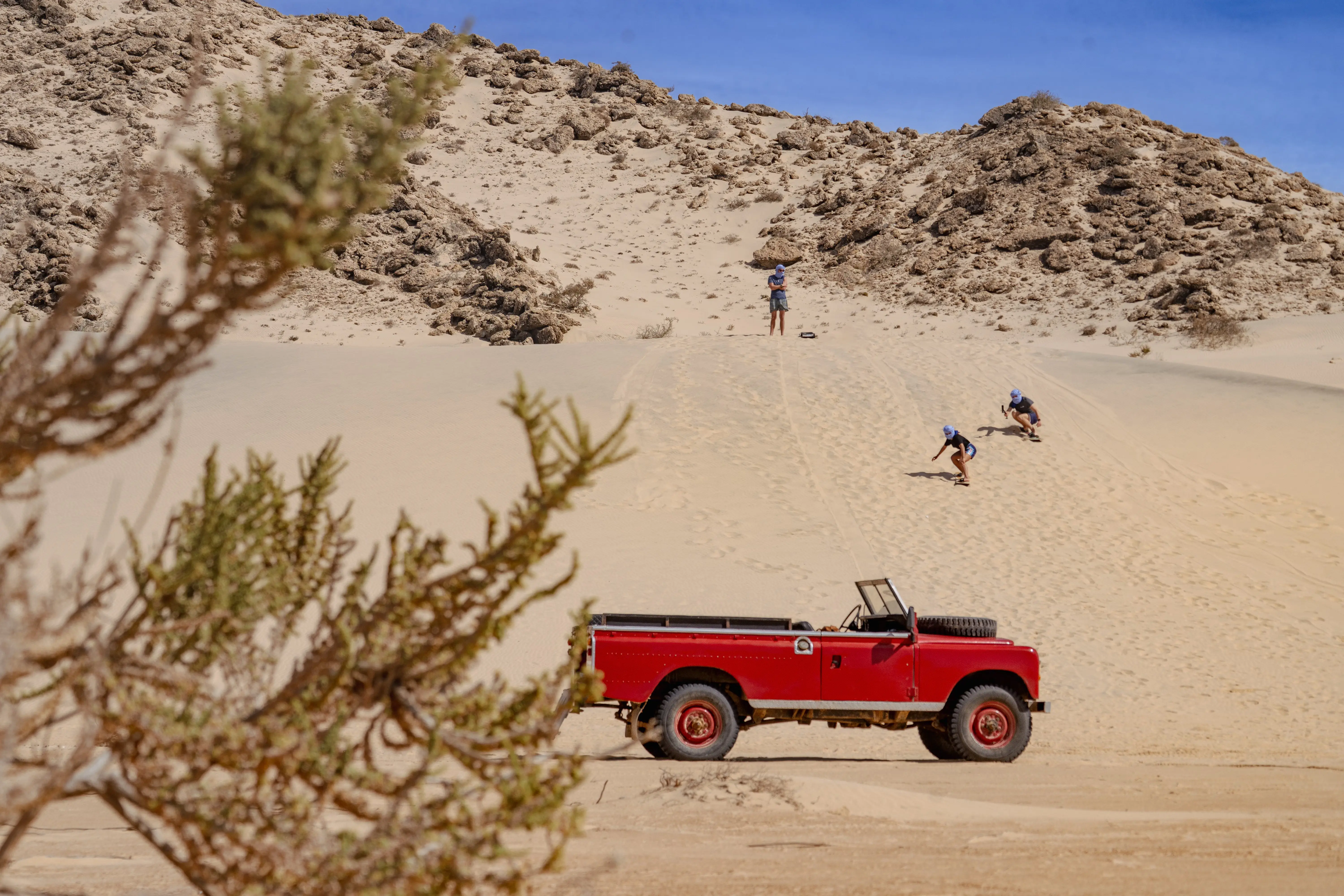
When the wind isn't blowing, Dakhla still delivers unforgettable experiences. You can explore local Saharan culture, visit oyster farms, take desert excursions, or unwind around sunset dunes.
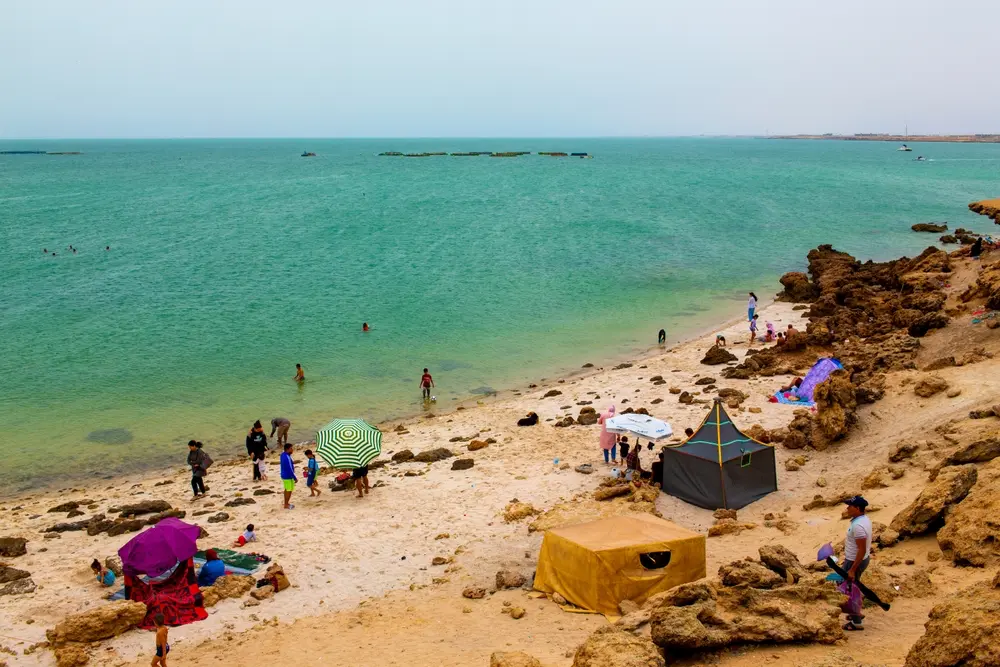
No matter when you choose to go, Dakhla's wind reliability and unique desert-meets-ocean landscape make it one of the most genuinely memorable kitesurfing destinations in the world.