Language

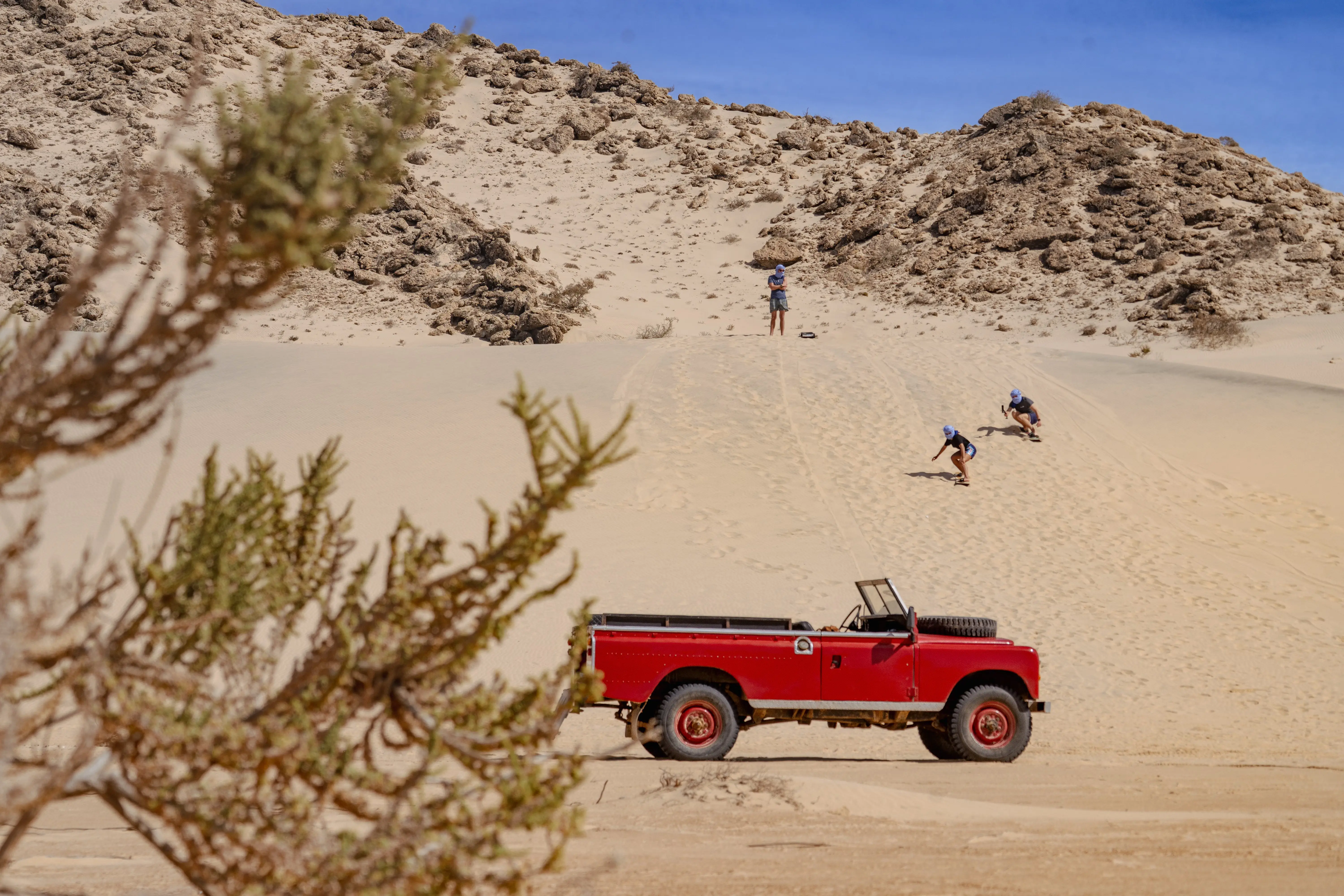
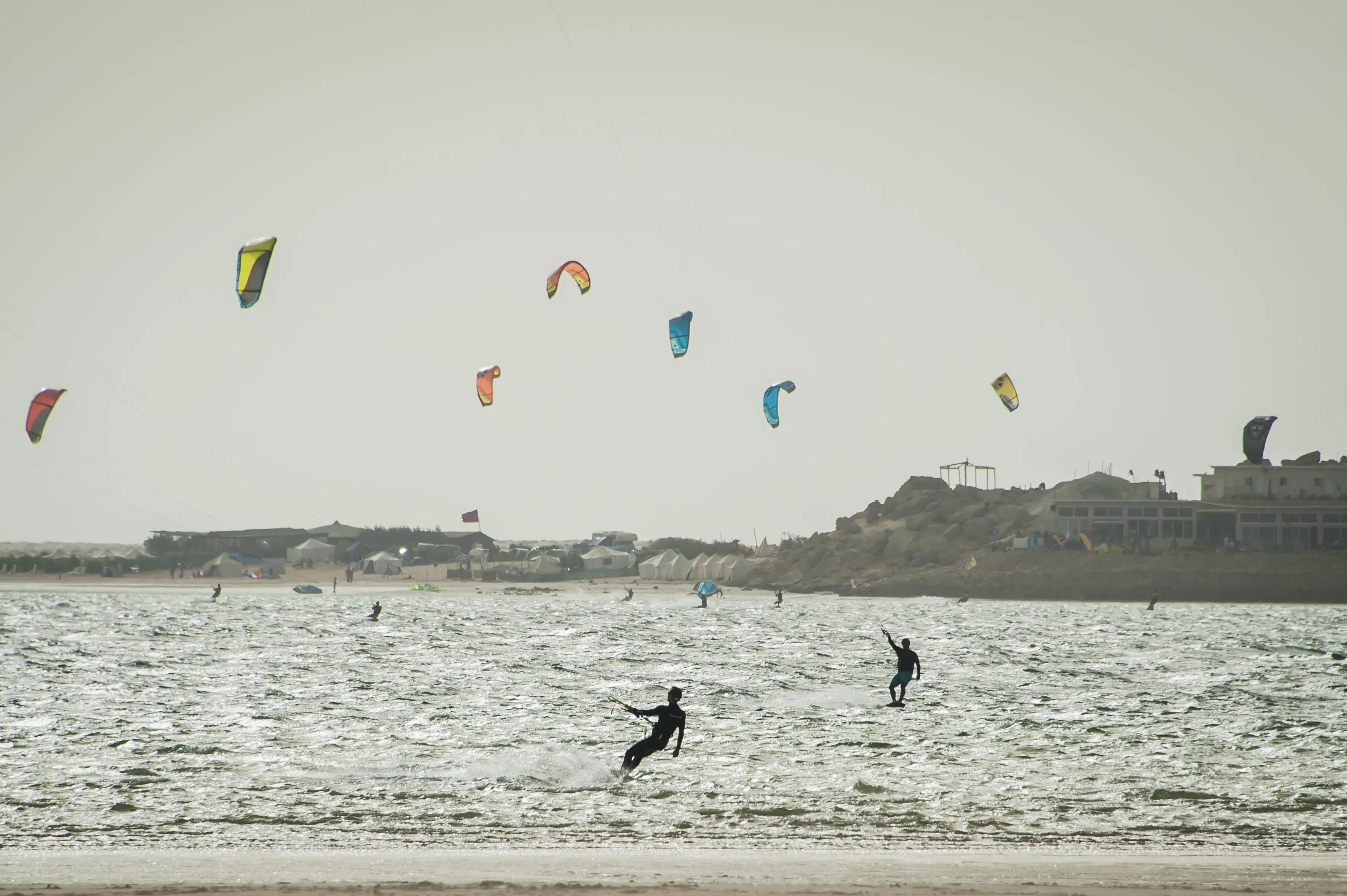
"My partner doesn't kite" stops more Dakhla trips than a bad forecast ever has. I've lost count of the riders who've told me they'd love to come, but they can't picture what the other person would do all week.
It's a fair worry. From the photos, this place looks like 45 kilometres of water and not much else.
The first time I came out here with someone who doesn't kite, I was braced for a week of apologies. It didn't work out that way. By day three they'd seen more of the Sahara than I had, eaten better than I had, and were mildly smug about it.
So here's the honest version. What there actually is to do here without a kite, how long each thing takes, what it costs you in driving, and how to build a week that works for two people who want different things from it.
Yes, Dakhla is worth visiting if you don't kitesurf. The peninsula offers full-day desert excursions to the White Dune and the Imlili salt pools, oyster farms on the lagoon, surfing and stand-up paddleboarding, boat trips for dolphins and flamingos, natural hot springs, and a city with one of the best seafood scenes in Morocco.
What makes it work is the timetable. The wind here is light in the mornings and builds through the afternoon, so the riding day and the non-riding day don't actually overlap much. Excursions run in the morning. Kites go up after lunch.
Once you see it that way, you stop trying to split the day between two people and start running two days in parallel.
Here's what's realistically on the table:
The main excursion from Dakhla is a full-day 4x4 tour out to the White Dune, the Imlili sebkha, Porto Rico beach, and the Asmaa hot springs. You're usually gone for seven to eight hours door to door, so it really is a full day. For someone who isn't riding, this is the one I'd book first.
The White Dune is the picture everyone has seen: one pale dune sitting in the lagoon, with the water wrapping around its base and flamingos picking along the shallows at the right time of year. Kiters reach it on a downwinder. Everyone else drives.
I'd seen it in so many photos that I assumed it would feel smaller in person. It didn't. Usually, something that's been photographed that much can seem underwhelming when you finally get there. This one didn't.
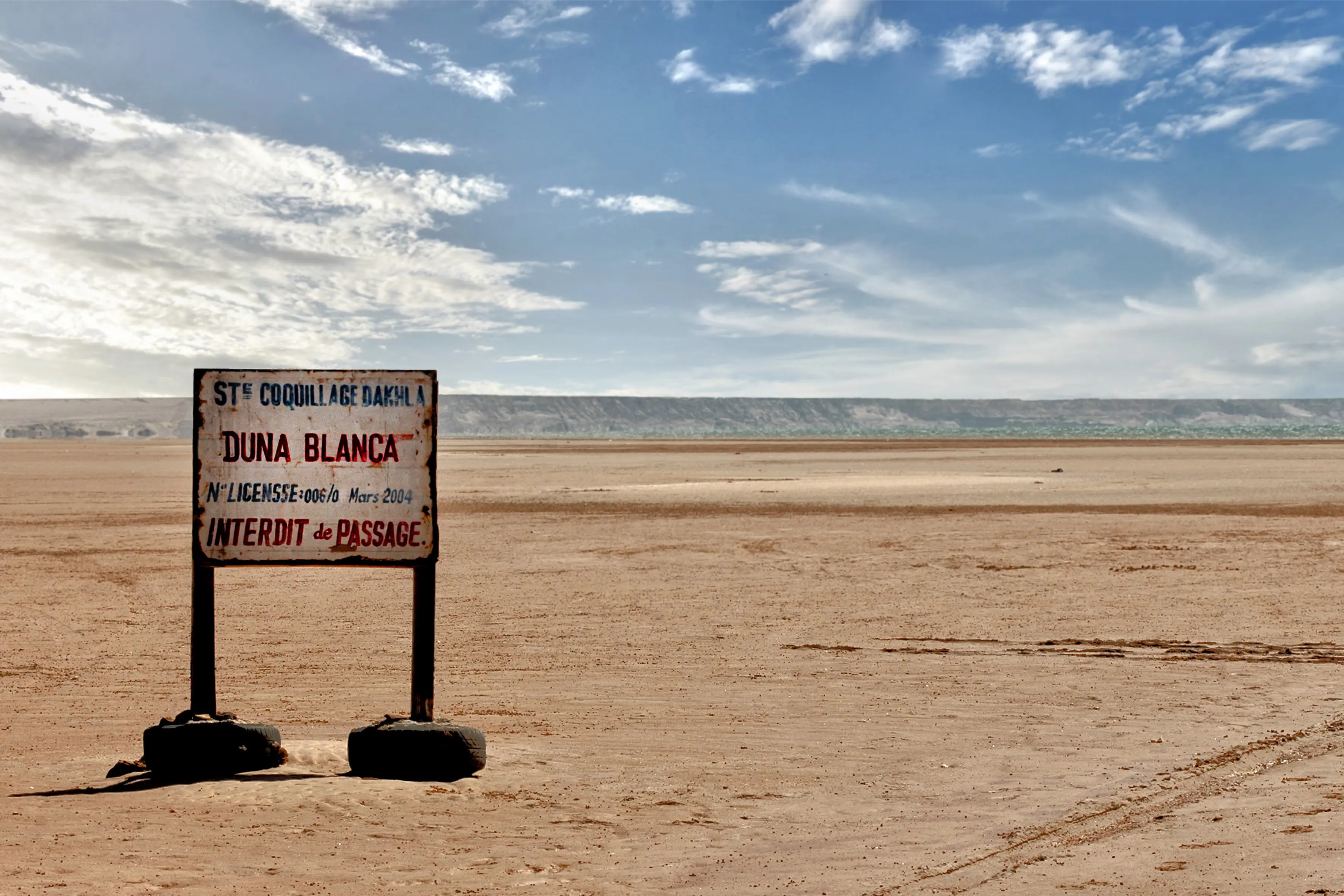
Imlili is the strange one, and my favourite stop of the day. It is a relic ecosystem, and honestly, it doesn't make much sense when you first look at it. The sebkha holds more than 160 permanent pockets of water right out in the middle of an open desert. A good number of the pockets contain tilapia that have adapted to water far saltier and hotter than anything they should survive. I knew that before we arrived, and it still took a minute to get used to.
The Asmaa spring is the other surprise: hot sulphur water, around 38°C, pushed up from a well several hundred metres deep in the middle of nowhere. There's no polite way to say it. It smells exactly like you'd expect. Fortunately, you get used to it faster than you'd think.
A couple of honest warnings. It's a long day of rough track in a vehicle, so if you're prone to motion sickness, take something before you leave rather than halfway through. Some stretches are rough enough that waiting to see how you feel isn't a great plan.
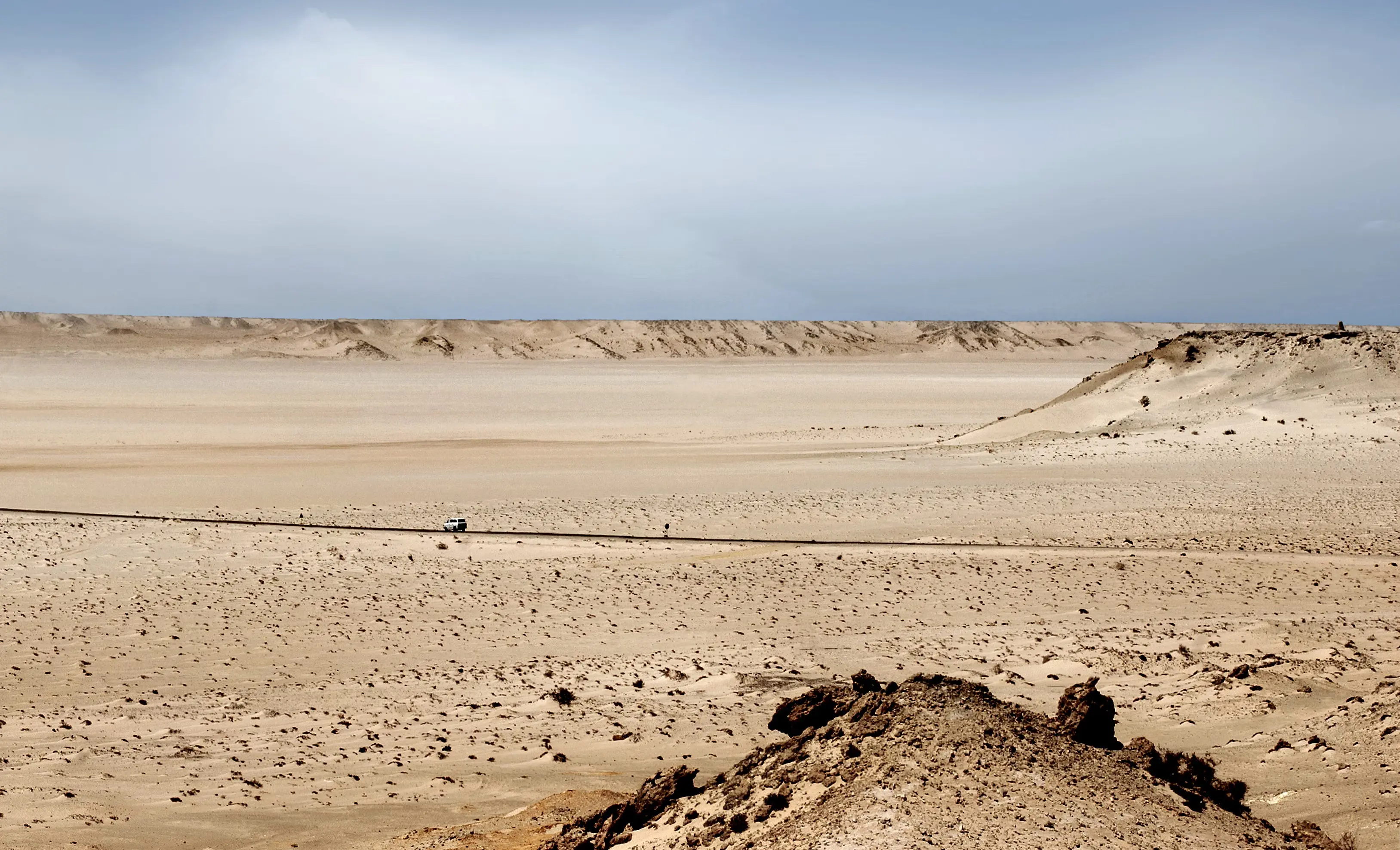
Also, go with a guide who regularly runs this route. The tides, the soft sand, and the checkpoints out here matter a lot more than they do on a map.
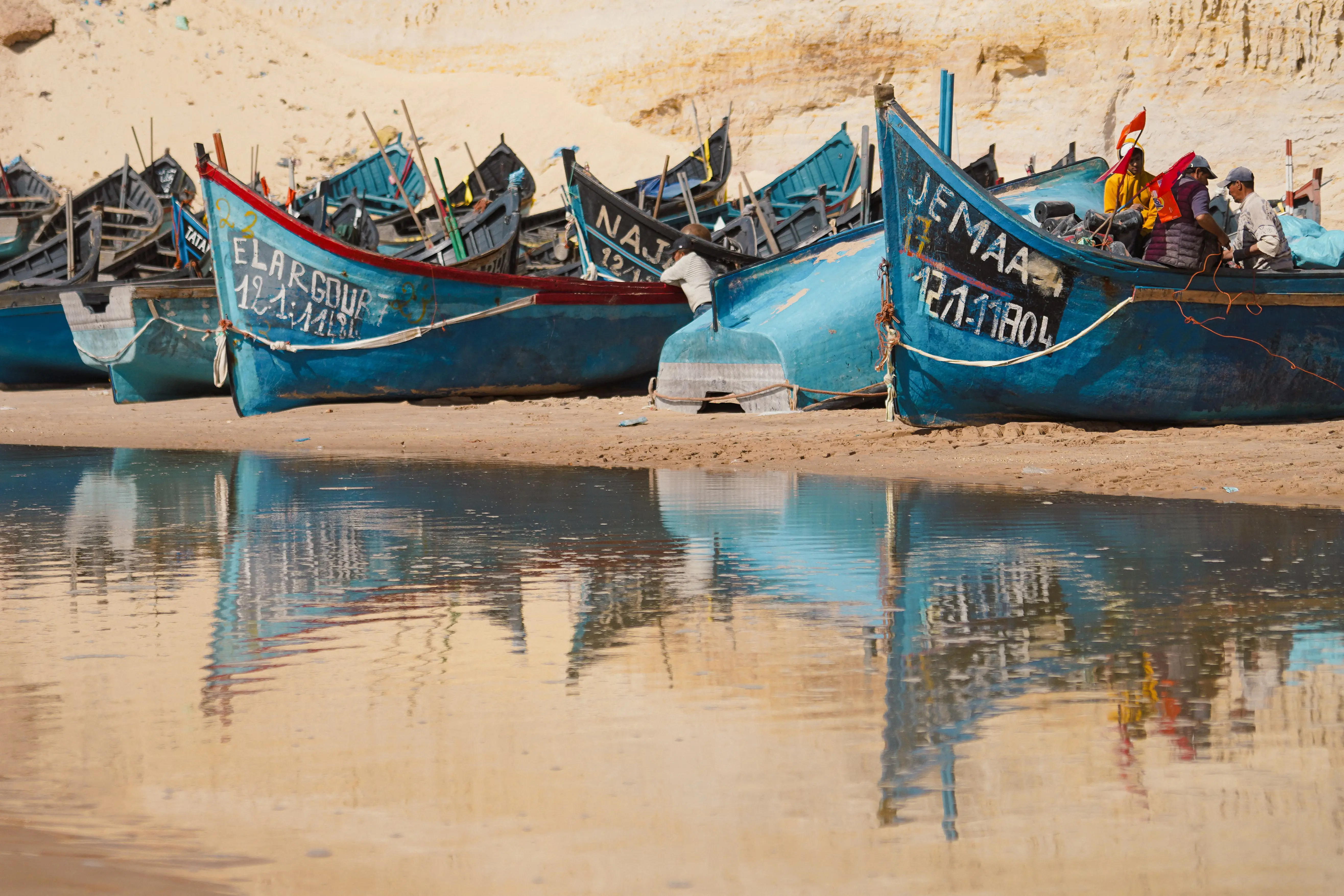
Dakhla's lagoon is one of Morocco's main oyster-farming areas, producing several hundred tonnes a year, and several of the farms will show you the racks before sitting you down to eat at a table overlooking the water.
This is probably the easiest half-day on the list. No hiking, no 4x4, no early start. You drive over, have a look around the farm, then sit down to a plate of oysters that were in the lagoon an hour earlier. That's pretty much the outing, and after a couple of busier days, that's not a bad thing.
I'm not usually precious about seafood, but I've never had oysters anywhere else that cost this little and tasted this clean. It ruins the supermarket version for a while afterwards. I didn't expect the oyster stop to be something I'd remember much, but it was.
If raw shellfish genuinely isn't your thing, don't write off the whole stop. The same restaurants do grilled fish, and the seafood in Dakhla city is a big part of the trip for a lot of visitors who never go near the lagoon. So don't skip the whole thing just because oysters aren't happening.
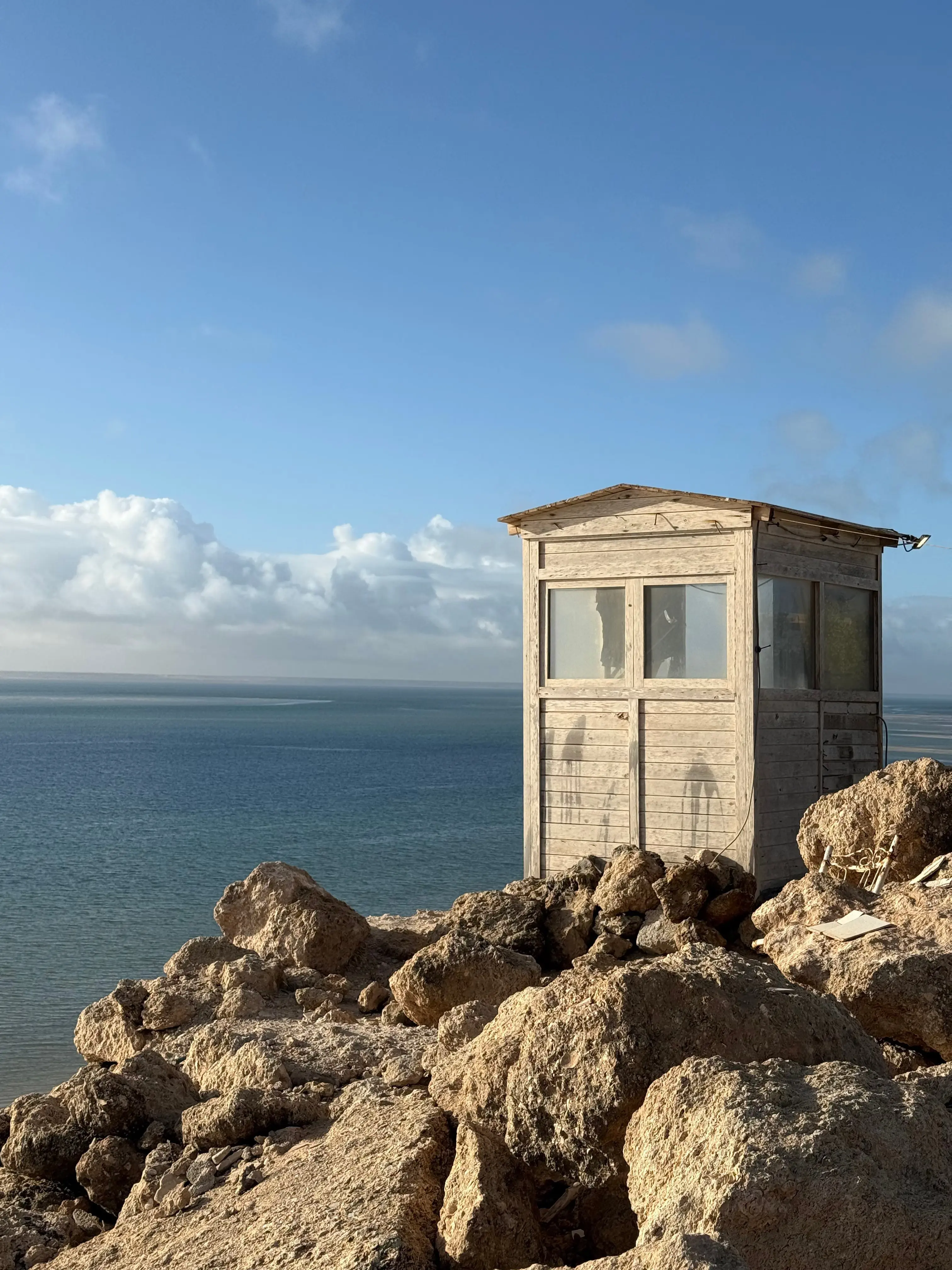
Dragon Island isn't a kitesurfing spot. It's a rocky outcrop near the camps, named for its silhouette. At low tide, you can walk or wade out, climb up, and look back along the peninsula.
It's the best short outing here, and one of the easiest to fit in, mostly because it needs no booking and no driver. Two or three hours, start to finish. No big expedition required. That makes it an easy one to decide at the last minute. If the tide looks right and you've got a free morning, you can just go.
The shells and rocks out there are sharper than they look. Wear proper shoes rather than flip-flops, and you'll be glad you did. If that sounds overly cautious, just wait until you're walking on them.
One thing worth saying plainly: the tide is not a suggestion. Check it before you go, and give yourself a wide margin on the way back. Don't look at the water and guess. It takes almost no time to check the tide, and the alternative is a long, cold wait.
Yes. Dakhla has beginner-friendly surf at Foum Labouir, roughly 15 minutes' drive from the city. Its gentle waves over a sandy bottom make it a genuinely good place to take a first lesson. Stand-up paddleboarding and wing foiling are widely available too, and several centres teach all of them from the same base.
This is the option I'd push hardest for a partner who's a little tempted by the water but not by a kite. Surfing gets you the same sea, the same coastline, and the same tired-in-a-good-way evening, without asking you to learn to kite just because your partner does it. You can have a proper go without turning the whole holiday into lessons, which makes a difference if someone is only curious.
Paddleboarding is the other easy win. The lagoon is flat and shallow in the mornings before the wind fills in. Just don't leave it too late. That morning window is short, and by early afternoon, a paddleboard is the wrong tool for the day.
The catch is temperature. The Atlantic side is noticeably colder than the lagoon, and you'll want the wetsuit the school gives you, not the swimsuit you packed. Standing on the beach can fool you on this one. The water feels quite different once you're in it.
The bay around Dakhla supports resident dolphins, sea turtles, and a surprising amount of birdlife, including pink flamingos and migrating waders. There are half-day boat trips that head out into the bay to look for them, although "look for" is the important part. I've been out on a morning where dolphins turned up within twenty minutes, and another where we saw a lot of very nice water!
That second trip wasn't a disaster. It just wasn't the dolphin trip we'd imagined when we set off. Book it as a boat trip you'd enjoy anyway, and treat the dolphins as a bonus.
Birdwatchers have plenty to keep them busy here. The lagoon is a stopover on a major migration route, and you don't need a boat or a guide to see a lot of it. Some of the best birding I've done in Dakhla happened from a plastic chair with a cup of coffee.
Dakhla city sits 30 to 40 minutes' drive north of the lagoon camps. It's worth at least one day for the fish market, the seafood restaurants, the local shops, and the simple relief of being somewhere that isn't sand.
The market is the part I'd make time for. It's a working fish market rather than a tourist attraction, which is exactly why it's interesting. People are there actually buying fish, not putting on a show. The café culture around it is easy to wander in for a while. We lost a couple of hours that way.
If you're staying in town rather than at a camp, this is your default afternoon anyway. That's one of the real arguments for a city hotel over a lagoon camp when only one of you is riding. The rider has a little more travelling to do, but the other person actually has somewhere to go within walking distance.
Set expectations on the nightlife, because there isn't much of one. Dakhla is a quiet, fairly conservative coastal city. Evenings here are more likely to mean long dinners than late bars. I've never minded that, but if you're expecting to go out every night, this probably isn't that kind of trip.
Not every non-riding day needs an itinerary. Most camps run yoga, have a pool, and are set up for exactly this: a long breakfast, a book, a swim, and an afternoon watching the water from a deck.
I've come to think this is underrated. It's easy to fall into the holiday habit of thinking a day without a booking is a day wasted. I've definitely done that, especially somewhere I've travelled a long way to reach. But sometimes sitting around for half a day is exactly what you need, even if it doesn't give you much to put on Instagram afterwards.
The honest downside is isolation. A camp on the peninsula is a long way from anything else, and if you're not riding, the same all-in-one convenience that kiters love can start to feel small by day four. That's the bit I'd think about seriously before booking a full week at a camp with a non-kiter. Mixing in one town day and one desert day per week makes a big difference.
The short version: choose the month with the person who isn't kiting in mind. Put the excursions in the mornings, and don't stay somewhere that traps one of you.
A few things genuinely tip the balance:
A few practical things that make the non-riding half of the trip smoother:
Without hesitating, yes. But I'd plan it properly rather than assume it'll sort itself out, because that's where this trip can go wrong. You arrive at a lagoon camp, one person heads straight for the water, and only then does anyone ask what the other person is supposed to do all day.
What surprised me most was that the non-kiting days turned out to be the ones we talked about afterwards. I spent the week on the water and remember the sessions. They spent it in the desert, on boats, and in the market, and came home with better stories. I'm not quite ready to swap the kite for a seat in the 4x4, but I can see their point.
Travelling with someone who doesn't kite? Get in touch with us, and we'd love to help you plan it.